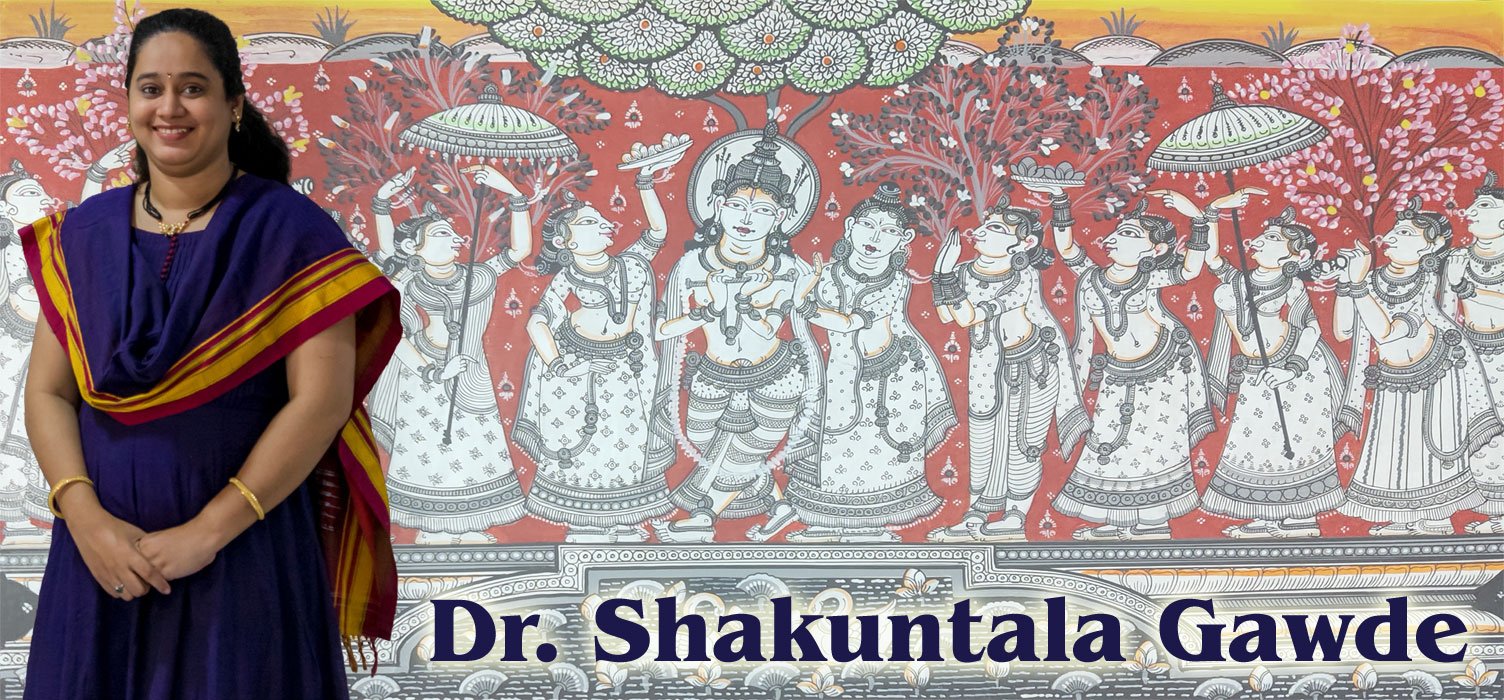

The Gītagovinda of Jayadeva occupies a distinguished place in the history of Sanskrit literature. Composed in the 12th century by Jayadeva, the court poet of King Lakṣmaṇasena of Bengal, this lyrical masterpiece elevates Śṛṅgāra (the sentiment of love) and Bhakti (devotion) to extraordinary aesthetic and spiritual heights. Its influence extends far beyond Sanskrit literature, shaping India’s musical, dance, artistic, and devotional traditions.
In this video, Dr. Shakuntala Gawde explores the literary brilliance, devotional depth, and aesthetic richness of the Gītagovinda, examining its enduring significance in Indian literary and cultural traditions.
Topics Covered
- Jayadeva: The Poet and His Literary Contribution
- Structure of the Gītagovinda
- The Opening Verses
- The Daśāvatāra Stotram
- Jayadeva’s Poetic Style
- The Poetic Beauty of the Gītagovinda
- The Concept of Rasa in the Gītagovinda
- Madhura Bhakti: Devotion Through Divine Love
- The Union of Jīva and Brahman
Through an exploration of the divine relationship between Rādhā and Kṛṣṇa, the video highlights how Jayadeva transforms love, longing, separation, and union into a profound aesthetic and devotional experience. It offers an opportunity to appreciate the Gītagovinda not merely as a poetic masterpiece, but also as a significant expression of the Indian understanding of love as a path to the Divine.
Watch the video to discover the timeless literary, aesthetic, and spiritual dimensions of Jayadeva’s Gītagovinda.